
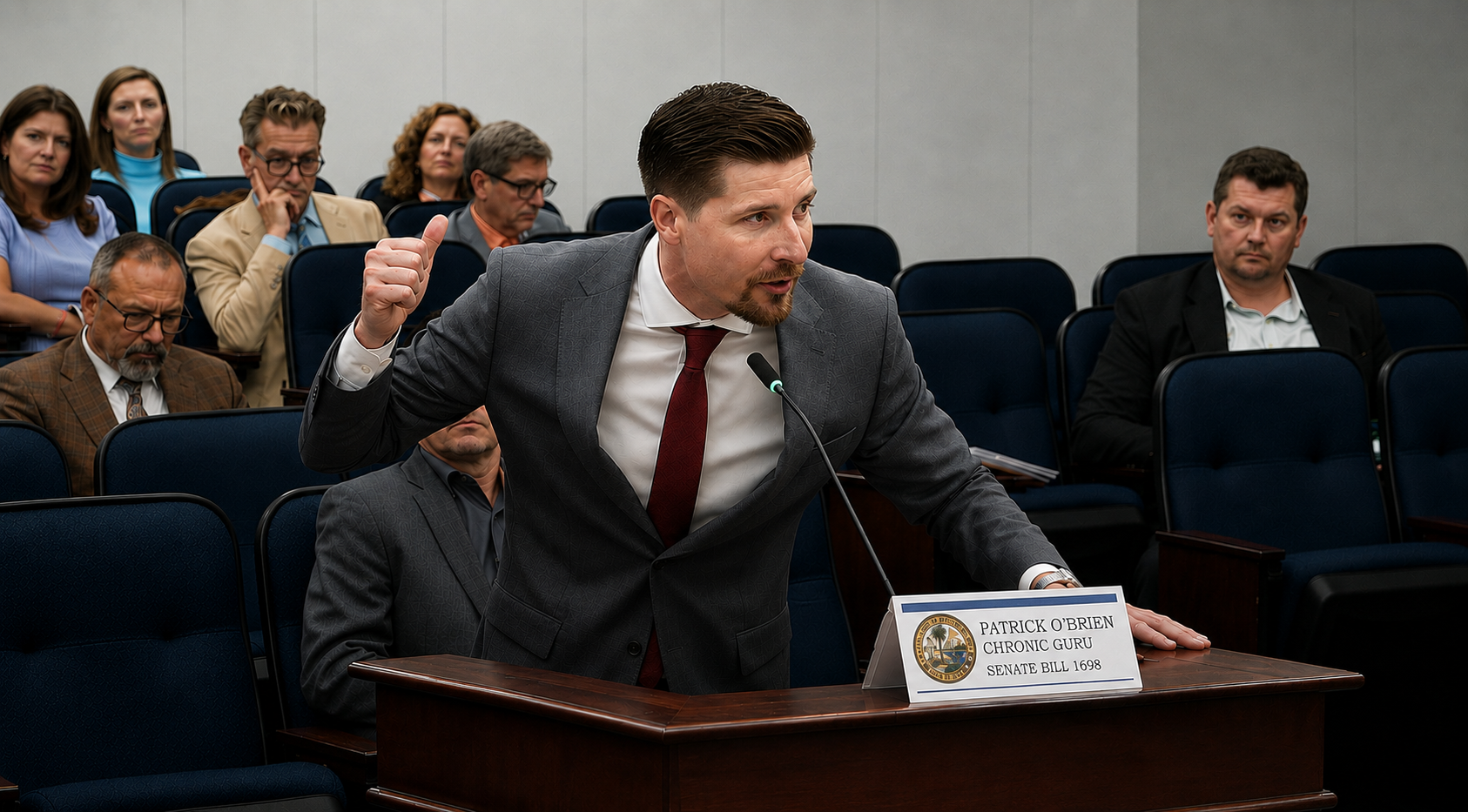
Strategic Government Relations in Montpelier, Vermont
Navigate the Vermont General Assembly and state agencies with Capital Arc. We help regulated industries map decision-makers, assemble the right lobbying team, and coordinate advocacy in Montpelier.
$10M
Deployed on state and federal engagements as the client
State + Federal
Vetoes, proposed bans, extensions, negotiated legislation
Multi-firm
Lobbyists, firms and pollsters hired, managed and measured
Selective
Engagements accepted only where there is a credible path to impact
Vermont — the landscape you're in
What's actually moving in Montpelier.
Montpelier is the smallest state capital in the United States, but its political and regulatory environment is highly complex. The Vermont General Assembly operates as a citizen legislature, meaning lawmakers are deeply connected to their local communities and highly accessible, yet they balance demanding legislative sessions with their own private careers. The political landscape often requires navigating a divided government, with Republican Governor Phil Scott's administration focusing on affordability, public safety, and housing, while a heavily Democratic and Progressive legislature pushes ambitious environmental, social, and tax policies. For regulated businesses, this dynamic means advocacy cannot rely on partisan posturing. Success in Montpelier requires fact-based, transparent communication and a deep understanding of how state agencies, such as the Agency of Natural Resources and the Green Mountain Care Board, implement legislative mandates. Reputation is everything in this close-knit capital, and businesses must engage early and constructively to shape policy before it becomes law.
Governor
Phil Scott
Key legislative leaders
- John S. Rodgers — Senate President
- Rep. Marty Feltus — Vice Chair, House Appropriations Committee
- Rep. Larry Labor — Vice Chair, House Environment and Energy Committee
- Catherine Benham — Chief Fiscal Officer, Joint Fiscal Office
- Brynn Hare — Director and Chief Counsel, Legislative Counsel
- BetsyAnn Wrask — Clerk of the House
Why Capital Arc in Montpelier
Access mapped to the offices that decide.
Capital Arc provides the strategic infrastructure businesses need to succeed in Montpelier without relying on guesswork. We do not lobby directly; instead, we act as your government relations management partner. We map the complex web of decision-makers across the Vermont General Assembly's 14 House and 11 Senate standing committees, as well as key executive branch agencies. By understanding your specific regulatory challenges, we help you identify and hire the most effective local lobbyists who possess the right relationships and subject-matter expertise for your industry. Once your team is in place, Capital Arc coordinates your advocacy efforts in one trackable system. We ensure your messaging remains consistent, non-partisan, and aligned with your corporate objectives. Whether you are defending against a new provider tax, navigating environmental compliance, or seeking state procurement opportunities, our methodology ensures your resources are deployed efficiently and your voice is heard by the right officials at the right time.
Map the decision
Every official in Vermont with jurisdiction over the matter.
Staff the engagement
The right people for this specific Vermont matter. The client holds the contracts; the firm coordinates.
Report every week
Structured reporting from everyone on the engagement, consolidated into one briefing.
Industries we serve in Vermont
Built for the industries Vermont actually runs on.
Vermont's economy is anchored by its iconic dairy and agriculture sectors, healthcare, manufacturing, and tourism. The dairy industry, including high-value brands and conventional farms, faces intense regulatory scrutiny over water quality, whole-farm nutrient management, and environmental compliance overseen by the Agency of Natural Resources and the Agency of Agriculture. Meanwhile, the healthcare sector is navigating significant policy fights regarding provider taxes, reimbursement rates for independent physicians versus hospital networks, and strict oversight by the Green Mountain Care Board. Additionally, manufacturers and small businesses frequently engage the legislature on corporate taxation, federal incentive decoupling, and workforce development initiatives.
Access at the capitol
Relationships where the votes are.
Access in the Vermont State House is built on trust, transparency, and local credibility. Because the Vermont General Assembly is a citizen legislature, high-pressure, traditional corporate lobbying tactics are often counterproductive. Effective advocacy requires building relationships with lawmakers during committee hearings and in the hallways of the Capitol, providing them with clear, localized data on how a bill will impact Vermont jobs and communities. Lobbyists and employers must strictly adhere to registration and disclosure laws managed by the Vermont Secretary of State. Furthermore, engaging with influential non-partisan staff, such as the Joint Fiscal Office and Legislative Counsel, is critical, as they play a massive role in drafting legislation and scoring the financial impact of proposed bills.
Frequently asked questions
How do I hire a lobbyist in Montpelier, Vermont?
Hiring a lobbyist in Montpelier requires finding a professional with established relationships in the Vermont State House and expertise in your specific industry. Capital Arc helps businesses identify, vet, and manage the right local lobbyists to ensure your advocacy is effective and compliant with state laws.
What are the lobbying registration rules in Vermont?
In Vermont, both the lobbyist and the employer must register with the Vermont Secretary of State if they meet certain compensation or expenditure thresholds. Detailed disclosure reports must be filed regularly to maintain transparency regarding lobbying activities and expenditures.
How does the Vermont General Assembly operate?
The Vermont General Assembly is a citizen legislature consisting of a 150-member House and a 30-member Senate. It meets annually at the State House in Montpelier, relying heavily on its 14 House and 11 Senate standing committees to craft and vet legislation.
Who regulates healthcare policy in Vermont?
Healthcare policy in Vermont is heavily regulated by the Green Mountain Care Board, the Department of Vermont Health Access, and legislative health committees. These bodies oversee hospital budgets, insurance rates, and provider reimbursements, making them critical targets for healthcare advocacy.
How can businesses influence environmental regulations in Vermont?
Businesses must engage early with the Agency of Natural Resources and legislative environment committees. Providing fact-based testimony on the economic and operational impacts of proposed rules, such as water quality standards or nutrient management, is the most effective way to shape environmental policy.
Work With Us
Tell us what you are up against in Vermont.
A short application tells the firm the industry, the offices involved in Montpelier and Vermont, who is already engaged and what is at stake. If there is a credible path to impact and no conflict, the next step is a strategy call. If there is not, the firm will say so.
Capital Arc is non-partisan. References to public officials in Vermont are informational and do not constitute endorsements.